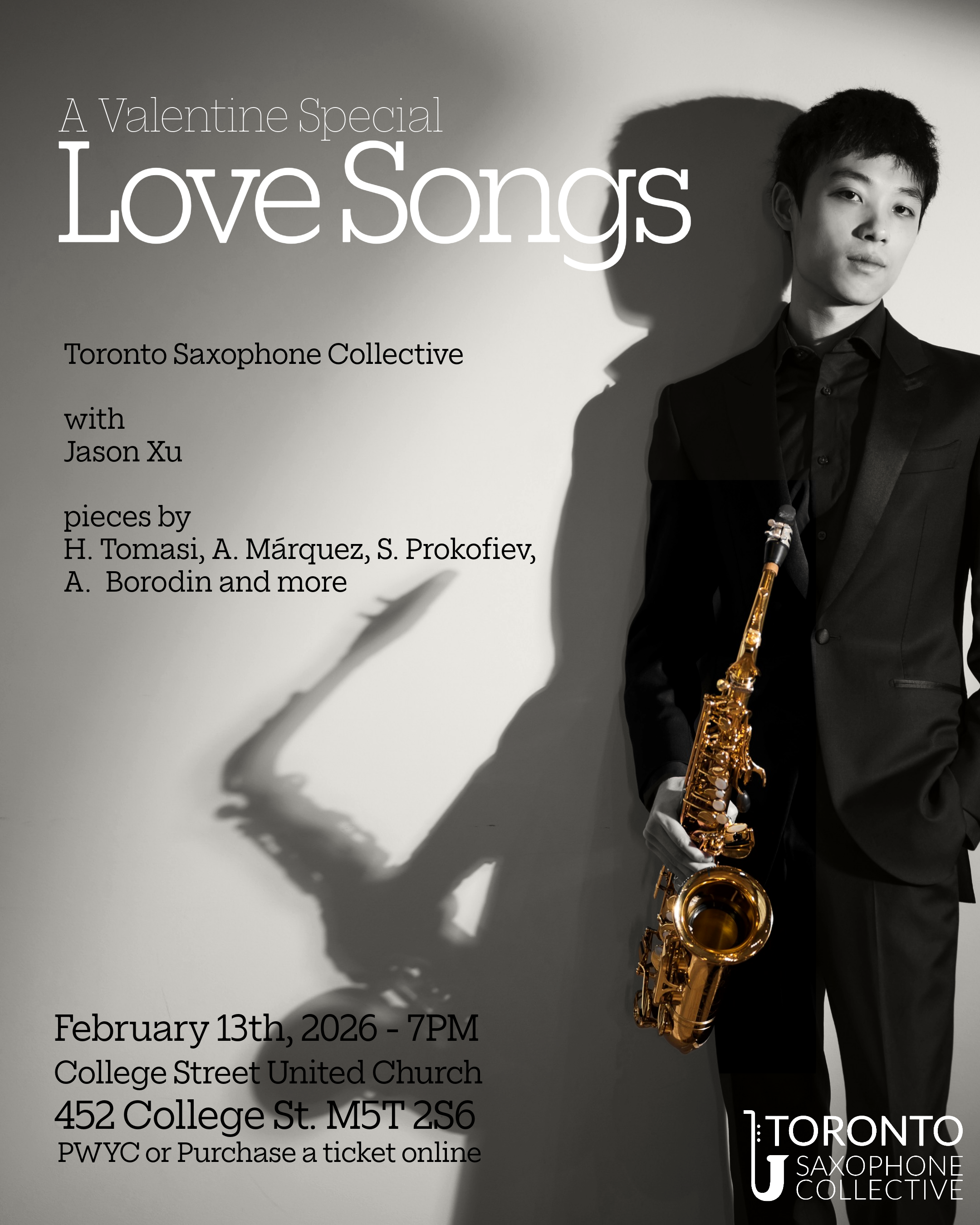
College Street United Church
452 College St. M5T 2S6
Pay-what-you-can at the door
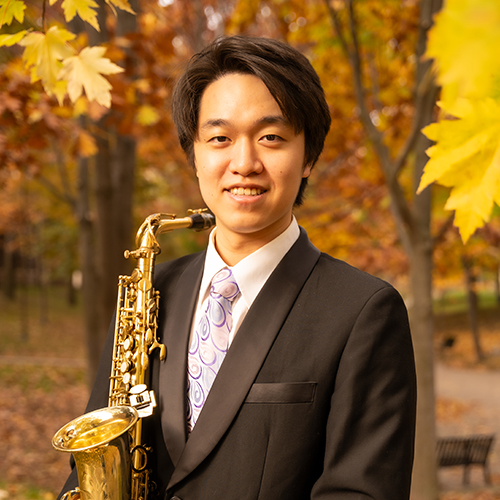
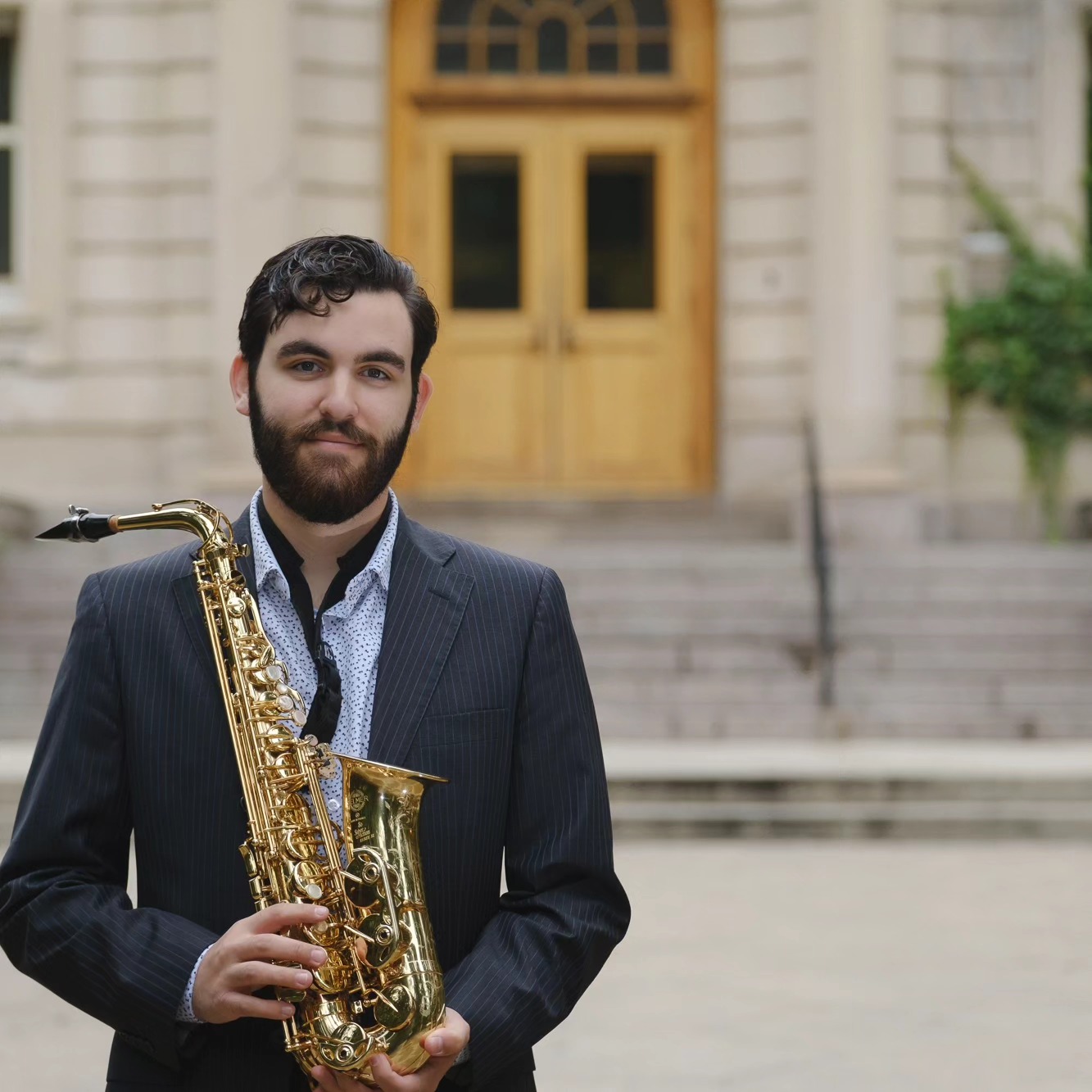
Described by Pan M 360 as possessing “a beautiful, expressive, and silky sound” with the ability to “make the lines sing in a virtuosic way,” Chinese-Canadian classical saxophonist Jason Xu has been named as one of “Canada’s Top 30 Under 30 Classical Musicians” by the CBC Music (national Canadian Broadcast Corporation). Renowned for his emotional depth and connection, Jason strives to inspire and forge profound bonds with his audience through the transformative power of music.
In 2024, Jason made history as the first saxophonist to win the Grand Prize at The OSM Competition, the most prestigious classical music competition for Canadian Musicians. His career as a solo performer has taken him to some of the world’s most iconic venues across the United States, Canada, and China, including Carnegie Hall, the Montreal Symphony House, the Grand Theatre of Dalian Development Area, the Eastman School of Music, the University of Michigan, McGill University, and the Steinway Piano Gallery Toronto, among others.
Jason has earned numerous accolades, a few to mention includes First Prize in the 2025 Ann Arbor Society for the Musical Arts Young Artist Competition, the 2024 OSM Competition, the 2021 American Protégé International Woodwinds and Brass Competition, and the 2021 IMFC Concerto Competition, as well as Second Prize in the 2022 Music International Grand Prix Competition.
As a member of the historic Symphony Band at the University of Michigan, Jason collaborates with distinguished conductors, including Jason Fettig, former director of the US President’s Own Marine Band. He has also appeared as a soloist with the Montreal Symphony Orchestra, performing under the baton of esteemed conductors such as Jacques Lacombe.
Jason is currently studying at the world-renowned institution, the University of Michigan School of Music, Theatre, and Dance with Professor Timothy McAllister. He has also honed his craft under the guidance of internationally acclaimed, Grammy-winning saxophone virtuosos, including Timothy McAllister, Nobuya Sugawa, Kenneth Tse, Vincent David, Otis Murphy, and Chien-Kwan Lin.

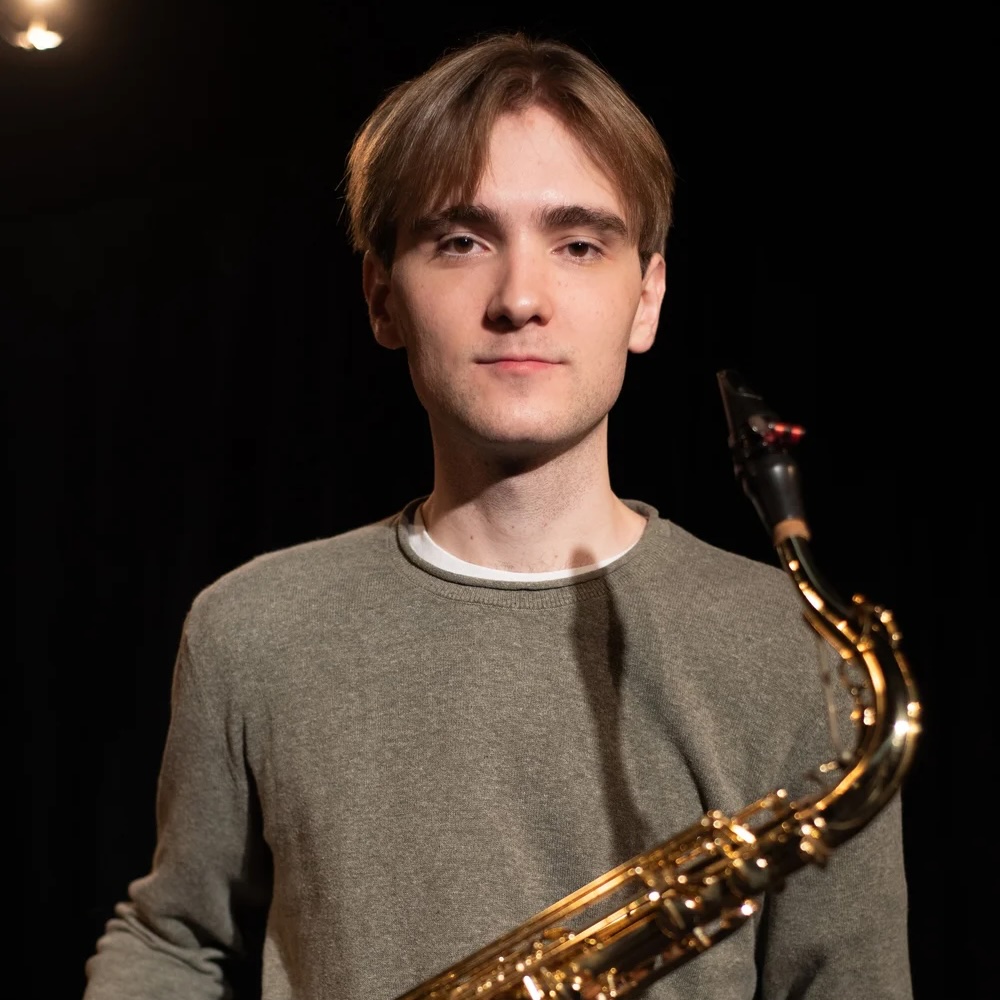
Tenor

Co-founder of TSC
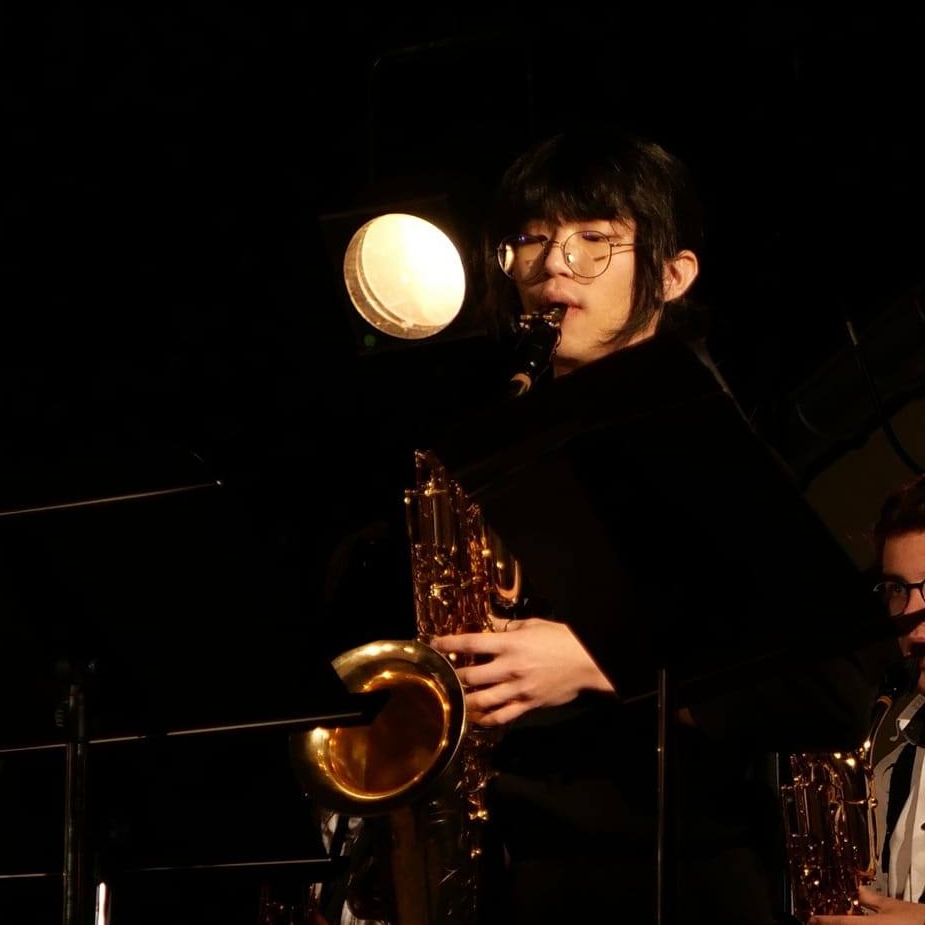
Baritone/Bass

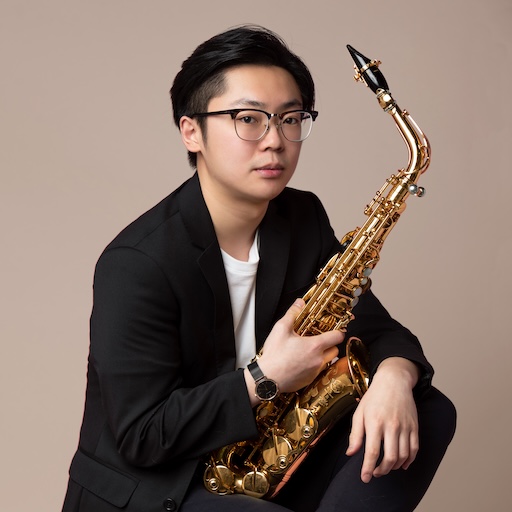
Alto/Baritone

Soprano

Soprano

Soprano

Alto

Alto

Alto

Tenor

Baritone

Guest Conductor

Co-founder of TSC

Co-founder of TSC
Prokofiev's Dance of the Knights is also well known as Montagues and Capulets. It is a part of the first act in the ballet and constitutes the first section of Romeo and Juliet Suite No. 2, Op. 64ter. In the ballet this music accompanies a fateful encounter between the two rival houses and then the first time that Juliet meets Romeo at her family’s masquerade ball. Along with the use in popular culture it remains as one of Prokofiev's most iconic pieces.
Known as Borodin's last major work, it is told that it may even be dedicated to his wife for their twenty-fifth anniversary. Both movements start with a beautiful melody on the cello, performed on the baritone saxophone. As the lyrical melodies passes around the piece develops a very nostalgic and romantic atmosphere.
Tomasi's Ballade is inspired by a poem by Suzanne Malard (1907-1988) depicting the inner world of a clown. Outwardly, the clown’s role is to bring joy and laughter to others, yet inwardly he carries loneliness and hidden pain as he reflects on memories of the past.
This striking contrast between public cheerfulness and private sorrow lies at the heart of the work. Tomasi translates this emotional duality into music of deep expressiveness, allowing moments of lightness and lyricism to coexist with darker and more introspective passages. The result is a moving portrait of a character who gives happiness to the world while quietly bearing his own suffering, making this Ballade both poignant yet deeply human.
[Notes from Jason Xu]
This piece is originally the lyrical second movement of Toshio Mashima’s Concerto Birds for Alto Saxophone and Wind Ensemble, commissioned by the world renown Japanese Saxophonist, Nobuya Sugawa. Each movement represents a different bird, and Seagull stands out as the most melodically expressive and song-like of the three.
Mashima’s melodic structure makes the instrument appear to sing like a seagull over open water. The long, flowing lines and warm harmonies create a feeling of open skies, gentle waves, and quiet reflection.
In the spirit of a Valentine’s Day concert, Seagull represents a symbol of love’s freedom and longing. Its tender and heartfelt melody suggests both distance and connection, like two hearts soaring together across a wide horizon: simple, sincere, and deeply moving.
[Notes from Jason Xu]
"Barcarolle" is a part of Offenbach's final masterpiece Les Contes d'Hoffmann (The Tales of Hoffmann) It is originally a duet for soprano and mezzo-soprano however it is frequently performed independently as orchestral or instrumental work.
One of the most recognizable melodies written, Waltz No. 2 is famously known for the circus-like yet bittersweet Soviet and bold orchestration which compares different to Strauss' known for its fluidity.
This piece is built on a five-note pattern on the clave and being inspired by ballrooms in Veracruz and Mexico City its known to be a modern tribute to danzón, a genre with Cuban roots that now is the cornerstone of Mexican urban culture. As the music develops from the pattern, it mirrors the etiquette of dance through formal elegance and restraint with a rhythmic apotheosis to carry you away.
We acknowledge the land we are meeting on is the traditional territory of many nations including the Mississaugas of the Credit, the Anishnabeg, the Chippewa, the Haudenosaunee and the Wendat peoples and is now home to many diverse First Nations, Inuit and Métis peoples. We also acknowledge that Toronto is covered by Treaty 13 with the Mississaugas of the Credit.